
Wingstop Canada — Menu and Flavors
How do bone-in and boneless wings compare?
Sauce it your way, wings cooked when you order. This Wingstop menu guide compares formats, heat profiles and sides so you can build a tray for dine-in, takeout or delivery.
Cooked after you pay, tossed in small batches.
Eleven signature flavors, one sauce system.
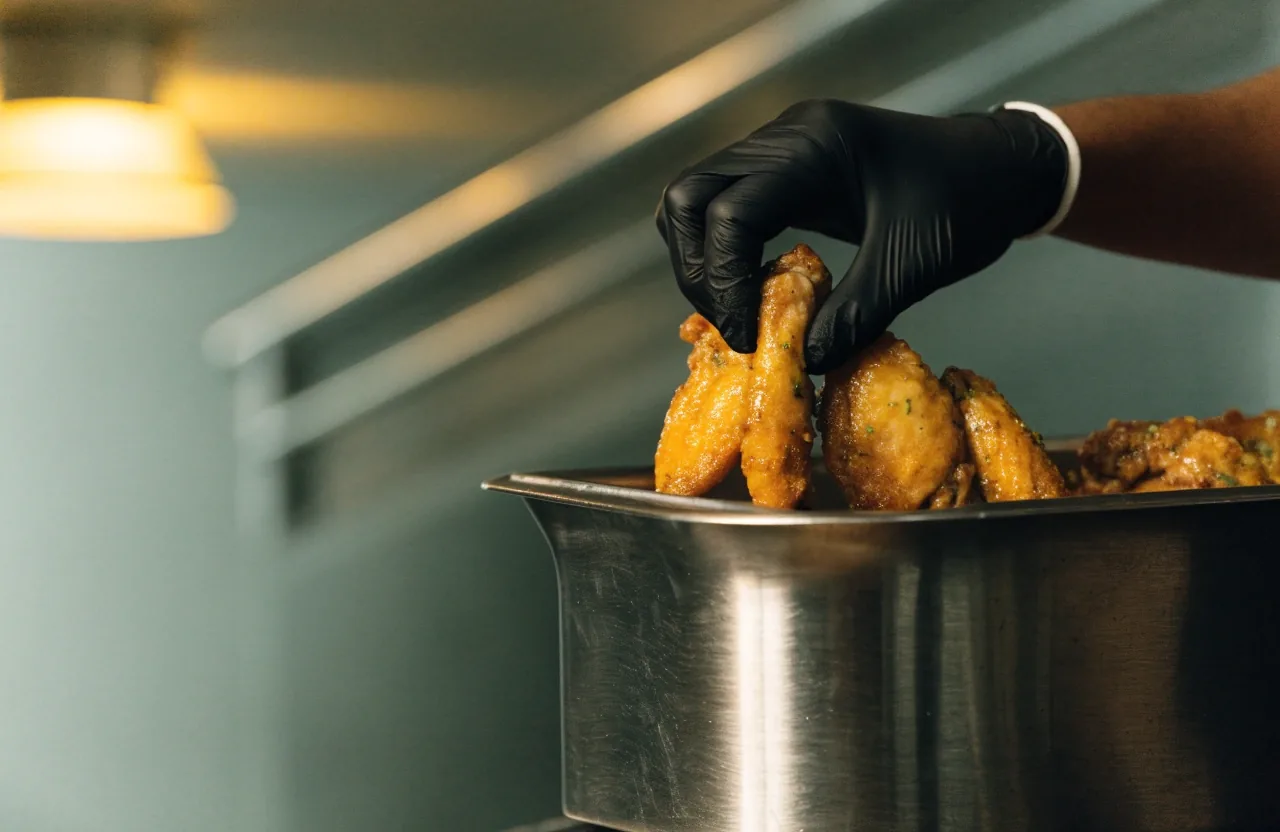
Toronto pass, dinner rush
Bone-in holds sauce best eaten in the first 15 minutes.
Formats compared
Bone-in or boneless: pick by where you eat
The Wingstop Canada menu is built around one idea: wings cooked when you order, finished in signature flavors. Choose bone-in wings or boneless wings, pick a profile, then add tenders, fries and dips. Prices and limited items change by store, so this guide sticks to what stays stable.
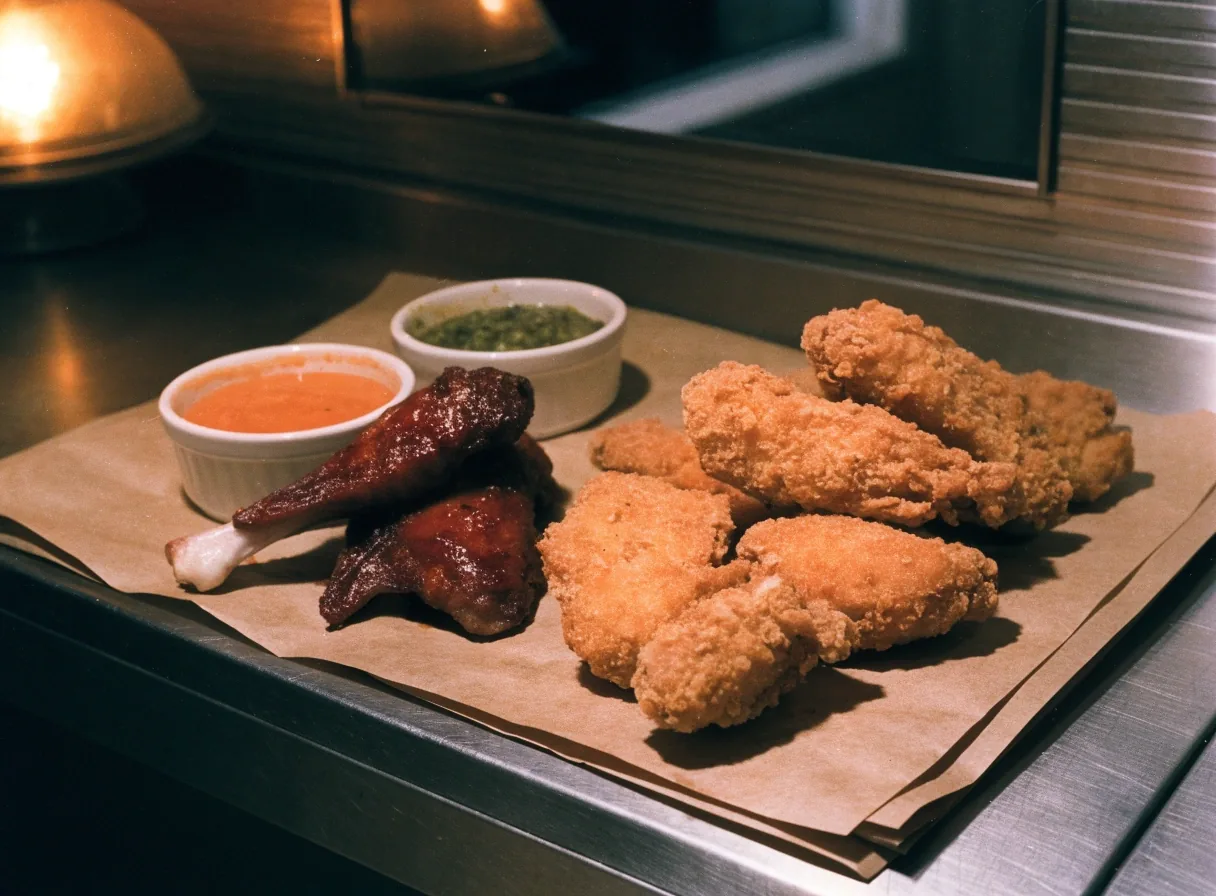
Bone-in wings
Flats and drums, skin on, tossed after frying. The skin grips sauce and keeps a crisp edge against bold pepper blends.
- Counted by piece, shared in baskets. The format regulars judge a wing shop by.
- Garlic butter, barbecue and medium chili coat evenly without pooling.
- Best within 15 minutes. Open the lid briefly after pickup on longer walks.
Boneless wings
Bite-size breast pieces, breaded and sauced like bone-in. Softer, uniform bite with less variation piece to piece.
- Suits desks, cars and family orders where bones are inconvenient.
- Travels slightly better — even coating, no bone heat gap. Dry rubs stay crisp longest.
- For spread-out Guelph delivery, order a heavier toss and it still arrives in shape.
Eleven signature flavors
Group them by profile, not by name
Red does not always mean hottest. Pepper type and vinegar matter more. Anchor a group order with one mild butter, one barbecue, one garlic pepper and one true hot — one from two different families beats two neighbours in the same band.
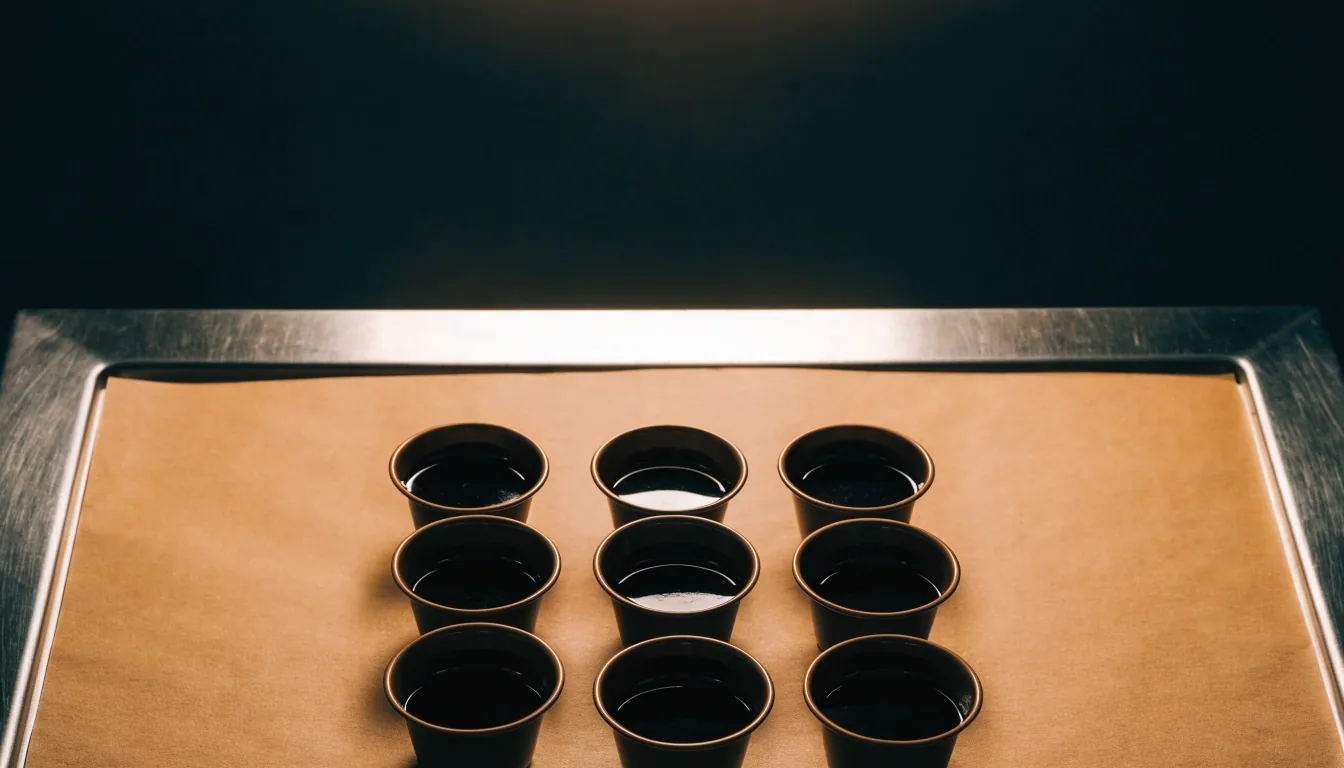
Buttery mild
Soft butter and cheese styles. The safe start for new visitors and younger diners.
Savory garlic
Garlic pepper and herb butter. Even coat on tenders and bone-in alike.
Sweet barbecue
Smoky and sweet, holds well in delivery bags. Good bridge between mild and medium.
Peppery medium
Citrus pepper and cracked pepper blends. Bright heat that fades clean.
Chili hot
Sweet chili heat through to true hot. Order one hot per table and judge from there.
Dry rubs
Seasoning without wet sauce. Crisp longest, travels best, lighter finish for lunch.
Ask staff which two flavors sit at opposite ends of the current board if names have shifted. Names vary by store, profiles hold.
Parallel choice
Tenders when the table needs easy holding
Longer strips of breast meat in the same sauce system. They eat cleaner than bone-in and feel more filling per piece than boneless bites. Families add tenders so younger diners have a milder option, and they give a second texture when wings are already on the tray.
Pair with fries and a single dip rather than multiple sauces. Garlic and barbecue coat evenly; dry seasoning keeps lunch light. At CF Chinook Centre, tenders plus fries make a tidy tray to carry to seating areas.
Sides and dips
Fries, cold contrast and one dip per two
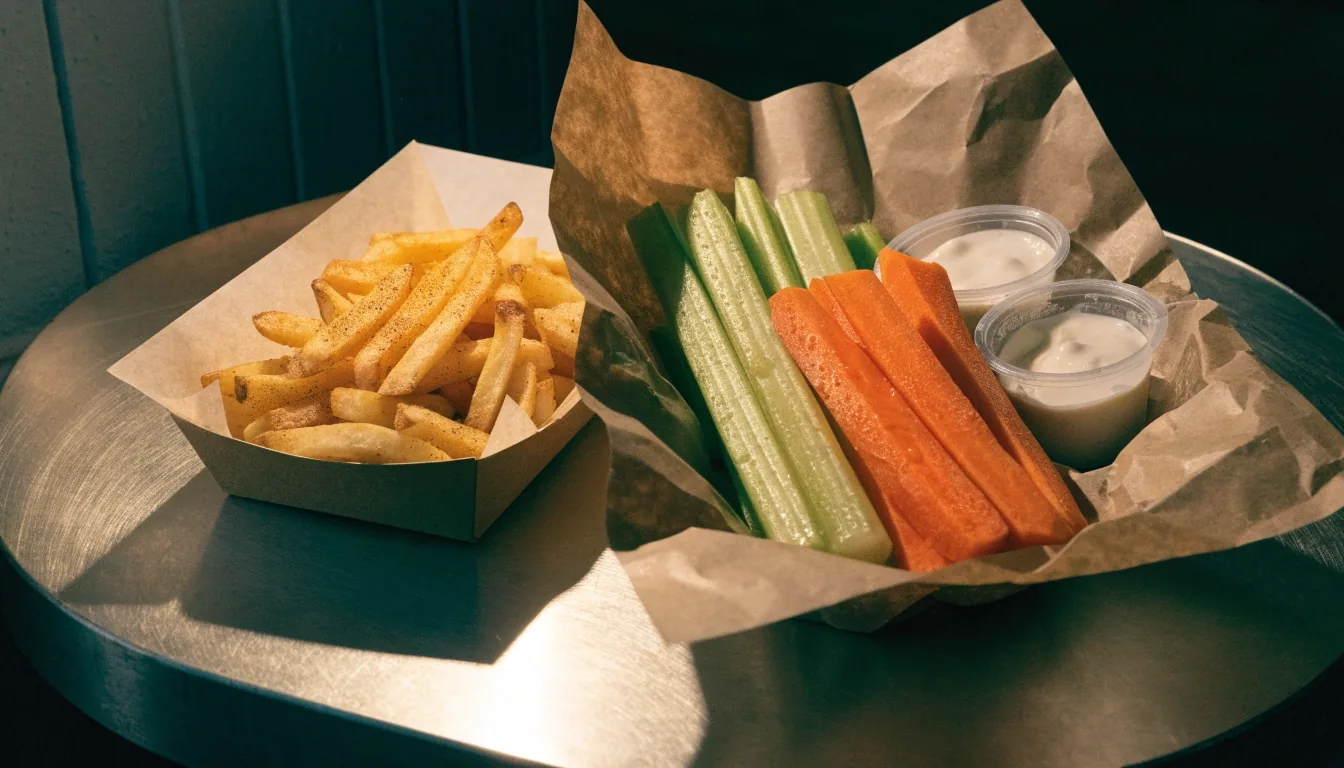
- Fries plain or seasoned are the main side. Keep them in their own container for takeout so they do not steam under a lid.
- Veggie sticks and coleslaw add cold contrast. Add one when ordering the hottest flavors.
- Ranch-style and cheese-style dips cool pepper heat and help dry flavors cling. One dip per two people avoids waste.
Why it takes a few minutes
Cooked-to-order and hand-sauced: each flavor tossed separately after frying.
10
Plan five to ten extra minutes at rush
Cooked-to-order means wings start after you pay, not before. Hand-sauced means small batches tossed after frying. The crust stays firmer and the coating evener than heat-lamp counters, but large mixed orders take longer because each flavor is tossed on its own.
Toronto dinner rushes and peak mall hours run slowest, though larger kitchens batch efficiently. In a hurry, limit the order to two flavors — the kitchen moves faster with fewer tosses.
First order, step by step
- 1
Pick format first. Bone-in for immediate eating, boneless or tenders for desks and family trays.
- 2
Then heat. One hot, one medium, one mild. Heat stacks across pieces — five hots dull every difference.
- 3
Then sides. For two: eight bone-in garlic pepper, eight boneless barbecue, one fries, two dips.
Next visit, move one step hotter inside the same family rather than jumping to the extreme.
Takeout and delivery
What travels well over distance
Dry seasoning and barbecue travel best. Garlic butter suits short trips. Extra-wet chili is best eaten fresh — ask for a lighter toss and extra dip if it must travel.

Vent boxes briefly before sealing bags and keep fries separate. In winter, reheat in an oven or air fryer for a few minutes rather than a microwave to protect crispness.
Common questions
Before you order
Does Wing Stop list prices on this guide?
No. Prices and limited items change by store, so use this page for format, heat and travel notes, then confirm the board at your local counter.
How many flavors should a first order try?
Two or three across different families — one mild butter, one barbecue or garlic, one medium or hot. Fewer tosses also means a faster kitchen.
Which format suits delivery best?
Boneless and dry-seasoned wings travel best, with barbecue close behind. Keep fries separate and add dip to refresh flavor at home.
245 Yonge Street, Toronto, ON M5J 2Z4 · Daily 11:00 AM – 11:00 PM · +1 416-537-5498